
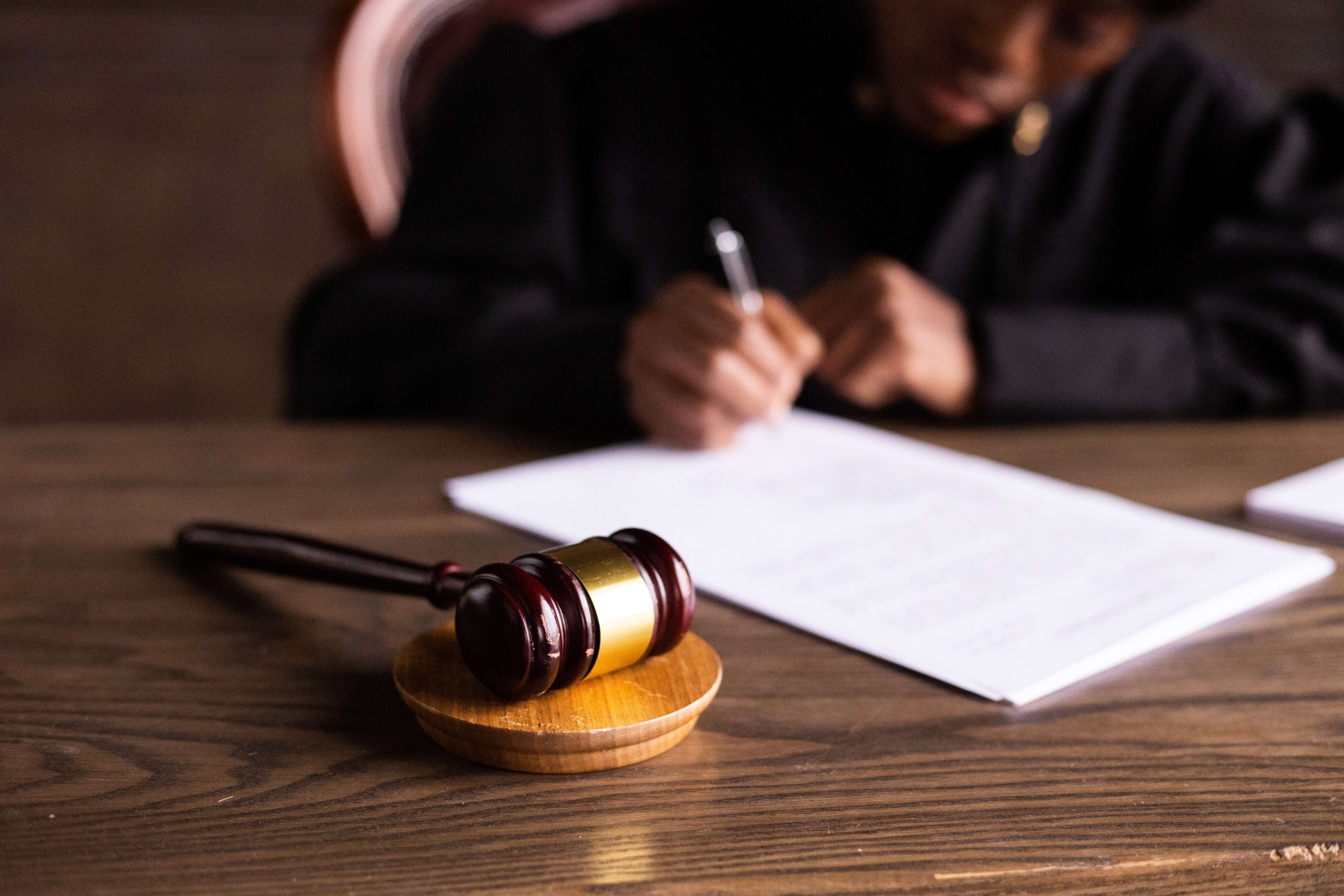

How to Choose Which Family Court to File Your Family Law Matter in New York

New York State Family Court is a specialized court comprised of judges and staff with special training to handle sensitive family law cases. However, they cannot grant divorce.
Supreme Court jurisdiction extends to cases that are too complex or serious for the Family Court to handle, with each matter considered separately before its decisions are given finality by both courts.
Jurisdiction
New York State offers two separate courts dedicated to family issues: Supreme Court and Family Court. Both courts can handle family law matters but each have different jurisdictions for hearing cases filed there. Many litigants begin proceedings without hiring private legal representation and instead use government lawyers; these lawyers typically cover multiple cases on any given day before being called in front of each judge to be heard about specific ones.
Family Court judges in counties outside New York are elected by their electors for terms of ten years; judges appointed by New York’s mayor are similarly chosen and can serve up to 10 years as well. When it comes to child custody cases, home state is usually determined based on physical presence and other relevant factors like caretaking responsibilities, schooling arrangements and relationships with relatives.
Procedures
No matter the nature of the case, each has different procedures. It is crucial that you fully comprehend these processes so as to protect your legal rights throughout the case; for instance, serving petitions correctly allows the Court jurisdiction over them and can impact how successful a case becomes and its potential outcome.
Family Court not only oversees family law issues but also child protection proceedings such as allegations of abuse or neglect; orders of protection; juvenile delinquency proceedings; adoptions; Persons In Need Of Supervision (PINS); termination of parental rights, and may hear child support cases.
As is generally recommended when dealing with family court matters, legal aid organizations offer free representation if someone cannot afford an attorney themselves. Please remember that family court files are strictly confidential – only parties, their attorneys or those with written authorization from one side may access them.
Costs
Family law cases can quickly escalate in cost due to their lengthy duration, intricacies of paternity establishment, domestic violence or child abuse allegations and related disputes – among many other considerations. Therefore, it’s vitally important that an experienced Long Island Family Lawyer be chosen.
JB-Family Services can conduct RPD Screenings in each judicial district to provide parties with information on the process and best way to resolve their differences. Their team also offers mediation and compliance monitoring for parenting/visitation matters while helping provide testimony necessary for court proceedings.
In certain circumstances, courts can grant attorney’s fees to one or both parties involved. These may be temporary or final fees depending on how the judge interprets Florida statutes that authorize this practice. It usually happens near the end of proceedings but fees can also be requested at any point during them.
Resources
The court system offers various resources for those involved in family law cases, such as self-help websites, legal aid offices and child support enforcement agencies. Mediation services also are provided as an impartial third-party helps parties reach an acceptable compromise through this process. Furthermore, many courts also feature family violence bureaus which assist victims and children.
Restraining orders are legal documents issued by courts to prevent individuals or property from coming too close to someone or something they don’t wish them to come close to, with the intention of protecting a person from physical violence, threats of violence or stalking. They may also be issued to stop harassment and bullying.
Family court is a specialized court that addresses individual and social problems within families, such as custody/visitation arrangements, neglect/abuse cases, child protective proceedings adoptions and domestic violence. Although family courts can issue divorce decrees or divide property they cannot issue divorce decrees.