
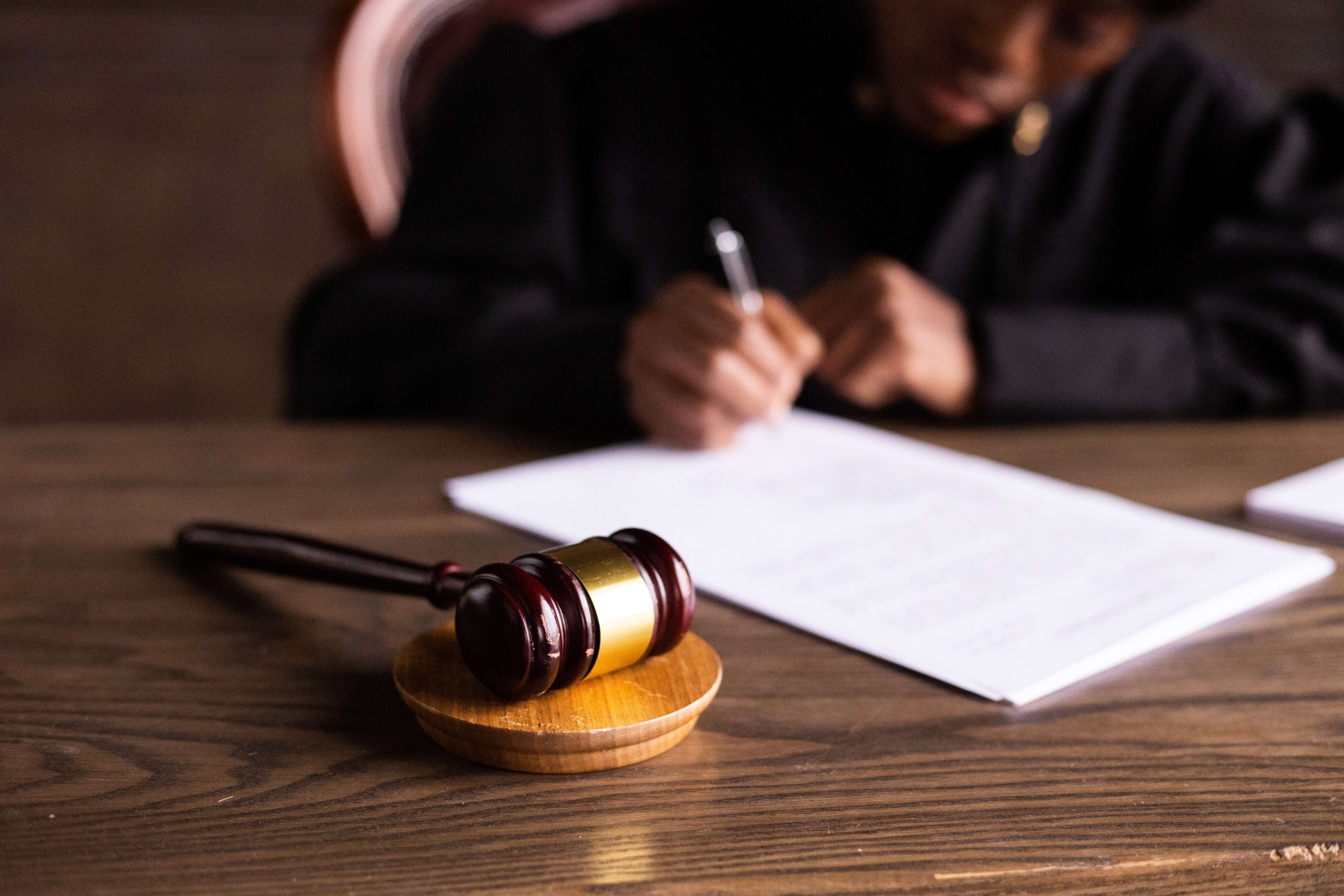

A Lawyer Who Pleads Cases in Court
Lawyers representing their clients in court have many responsibilities, from drafting legal documents and attending pre-trial hearings for their clients to staying abreast of current legislation and attending various hearings throughout their case.
Plea bargains can often result in reduced sentences or dropped related charges; such a deal is known as a plea bargain.
Counselor
Counselors who plead cases in court provide their clients with assistance in resolving legal matters without going to trial, using negotiation skills and extensive knowledge of relevant laws to achieve this. Counselors must know when it’s appropriate to settle or proceed with taking their client’s case to trial.
Pleas are statements made in response to charges filed against defendants. A defendant may enter an Alford plea, plead guilty or not guilty, nolo contendere plea, or take other steps such as filing an appeal of their indictment.
An appeal is a formal request to another court to reconsider a judgment of an inferior tribunal. Those filing an appeal are known as appellants; when heard before an appellate court it’s known as an appellate court. Most often appeals are heard before panels of judges but when one or more members of an entire bench agree to hear an case together it can be more significant.
Negotiator
At a negotiation, a mediator acts as an intermediary to assist both sides reach an agreeable outcome. A successful mediation session can result in the recording of an MOU that acts like a contract; both parties can then refer back to this document when future negotiations take place. A mediator can also offer relationship-building and procedural assistance services as needed.
At a plea colloquy, the defendant must state whether they are guilty or not guilty and state their reasons in detail. Depending on jurisdictional laws, they may make either a nolo contendere plea, an Alford plea, or not guilty plea; afterwards the judge will question them to ensure that their plea was made willingly and knowing.
Though lawyers may be tempted to resort to cleverness or deception during plea negotiations, doing so would violate the Code of Ethics. Such tactics could damage both sides’ credibility; moreover it is imperative that lawyers remain impartial throughout a negotiation, which may prove challenging when representing clients with differing agendas.
Judge
Judges serve as arbiters in cases involving litigants known as parties. Their job is to assess evidence presented from both sides and decide whether it supports one side or the other’s claims, keeping an eye out for any legal precedent that might influence their decision – courts often adhere to precedent set by higher courts with the authority to review past rulings.
Judges working cases frequently employ an extensive staff that includes law clerks, research assistants, librarians and proof-readers. These staffers assist the judges by researching cases or gathering material for publication; compiling handbooks; meeting information needs of judges and lawyers alike.
In many countries, judges are chosen through political patronage or electoral committee selection processes. A judge who is well respected by his colleagues may quickly advance in rank; they may also be assigned high-profile cases involving sensitive topics. Most countries’ judges receive formal training as lawyers who specialize in legal practice as well as judicial matters.
Lawyer
Lawyers who represent clients in court can help their clients resolve legal disputes without going to trial by proposing settlement agreements. Skilled negotiators will need to negotiate with both prosecution and judge in order to reach fair agreements for their clients; this requires having a firm grasp on both law and facts for every case in their care.
An arraignment is a court proceeding during which a defendant learns about their charges and rights, such as jury trial. They also get to enter their plea – either not guilty or guilty.
A defendant can enter a plea of no contest, which can reduce punishment or avoid some of the non-judicial complications of pleading guilty. It’s important to remember, though, that this plea must be clear: any incorrect or unclear statements could lead to retrial or overturning of conviction – in either instance they will still need to pay any fines assessed by the court.